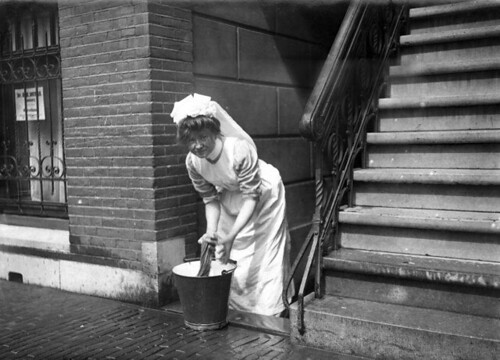
You don't have to spend a lot for eco-friendly household and personal care products. I use vinegar and water to sanitize my home without the expense or waste of harsher chemicals. Beyond toss salads, I use white vinegar for the following cleaning duties:
•Kitchen surfaces: With two capfuls of vinegar and a half cup of water, I have cleaned and polished a white enamel stovetop. The homemade solution cut through a mixture of cooking oil and splattered tomato sauce. The same solution works on kitchen countertops and stainless steel sinks. White vinegar also effectively cleans cookware, coffeemakers and carpet stains, according to How to Clean Practically Anything, a reference guide published by Consumer Reports.
•Tile floors and walls: My husband cleaned our white tile floors with a bucket of vinegar and water. He mixed one cup of vinegar per half-gallon of hot water, with a few drops of essential lemon oil. That mixture cleaned the floor and left a fresh lemon scent. I have applied a similar mixture to the bathroom tiles and countertops.
•All-purpose cleaning spray: Earth911.com recommends filling a spray bottle with equal parts of water and white vinegar. Use this solution to clean appliances, countertops and other surfaces. Some restaurants and daycare centers use vinegar and water to clean tables and chairs.
•Hair conditioner: Organic apple cider vinegar (ACV) provides a great hair tonic. Mixed with water, ACV conditions the hair and combats dandruff. As a hair rinse, ACV has left my hair cleaner and softer. The acid in the vinegar removes the buildup left from commercial hair care products and kills bacteria, according to Ehow.com, which recommends mixing one-third cup of apple cider vinegar with a quart of distilled water
•Kitchen surfaces: With two capfuls of vinegar and a half cup of water, I have cleaned and polished a white enamel stovetop. The homemade solution cut through a mixture of cooking oil and splattered tomato sauce. The same solution works on kitchen countertops and stainless steel sinks. White vinegar also effectively cleans cookware, coffeemakers and carpet stains, according to How to Clean Practically Anything, a reference guide published by Consumer Reports.
•Tile floors and walls: My husband cleaned our white tile floors with a bucket of vinegar and water. He mixed one cup of vinegar per half-gallon of hot water, with a few drops of essential lemon oil. That mixture cleaned the floor and left a fresh lemon scent. I have applied a similar mixture to the bathroom tiles and countertops.
•All-purpose cleaning spray: Earth911.com recommends filling a spray bottle with equal parts of water and white vinegar. Use this solution to clean appliances, countertops and other surfaces. Some restaurants and daycare centers use vinegar and water to clean tables and chairs.
•Hair conditioner: Organic apple cider vinegar (ACV) provides a great hair tonic. Mixed with water, ACV conditions the hair and combats dandruff. As a hair rinse, ACV has left my hair cleaner and softer. The acid in the vinegar removes the buildup left from commercial hair care products and kills bacteria, according to Ehow.com, which recommends mixing one-third cup of apple cider vinegar with a quart of distilled water


