Friday, September 25, 2009

How to Trim Fat From the Family Budget

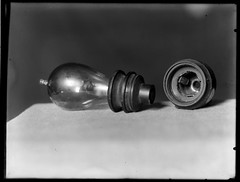
Small changes have reduced electrical charges in my home. On a year-over-year basis, we have used 20 percent less electricity due to two minor adjustments. We have switched most of the light bulbs to compact florescent bulbs (CFLs), an energy-saving option. Additionally, during the day and vacations, we turn off the water heater, a move that generates cool savings.

(photo by Yael Rosenberg)

Those are just a few of the ways of finding additional space in a tight budget, according to the Consumer Credit Counseling Service (CCCS) of Palm Beach County, Fla., and the Treasure Coast. How do you cut the fat if your budget is already lean? A reality check will help you write smaller checks for household bills, according to the folks at CCCS.

"Successful saving starts with a realistic look at how you are spending money now and what changes you can realistically make," said Jessica Cecere, president of CCCS.

For example, consumers can cut electric bills by $50 or more by washing clothes in cold water, using energy-efficient bulbs and installing a programmable thermostat, Cecere said. Here are other recommended changes:


Trim salon visits. It's possible to save several hundreds of dollars annually with do-it-yourself haircuts, manicures and pedicures. If you're hooked on salon pampering, stretch out visits to the professionals with home-grooming sessions.

•Free movies. Libraries and community centers are a source of free movie rentals. One credit counseling client saved $20 to $40 every month by borrowing movies from the library. Another option: Set up an informal movie library with friends, neighbors and co-workers.

•Review monthly expenses. Periodically review automatic bill-paying charges, credit card statements and other monthly bills. Automatic debits may include gym fees, vacation clubs, publications or other subscription services that you may no longer use, according to CCCS. Scan bills for overcharges and other errors.

•Go green. Energy efficient appliances use less energy and save money over the life of the product. In my home, we were surprised to learn that our old refrigerator and stove were energy hogs. Likewise, a CFL bulb uses 75 percent less energy than a standard light bulb and last 10 times longer, according to the U.S. Department of Energy.

Monday, September 21, 2009

Currency Exchange & Other Tricks to Save More Money

Currency exchange is a thrifty tool in my home. To save money, my 11-year-old daughter has swapped five single dollars for a five-dollar-bill and has traded up for even larger denominations. She uses the larger bills to preserve capital.

“When I see smaller bills, I think I have more money to spend,” my daughter said, adding that it’s tempting to buy treats with single dollars. “I’m not going to buy a chocolate bar with a $20 bill.”


It’s a numbers game that we all play with our budgets and wallets. In fact, banks, financial planners and marketing gurus have launched a variety of programs built on different savings techniques. Here are a few of my favorite money-saving tricks.

Loose change: Bank of America has a “Keep the Change Program,” in which purchases made with a debit card are rounded up to the nearest dollar and the difference is transferred from the customer’s checking account into a savings account. My do-it-yourself version of that program is simple. Just toss your loose change into a jar every day and watch the coins accumulate. It’s a painless way to create additional savings.

Dollar matching: While saving for a home, my brother created an unusual program. For every dollar he spent, he placed 20 percent of the purchase amount into a savings account. That system helped to create a nest egg for his first home. Other savers recover from frivolous purchases with a dollar-for-dollar transfer into a savings account. This dollar-matching strategy discourages careless expenditures and forces you to cut fat from the budget in order to fund the matching transfer.

Pause button: Whether shopping for clothes or cars, cooling-off periods can eliminate impulse purchases. Some families hit a 24-hour pause button when considering merchandise over a certain dollar amount. I’ve also met shoppers who use the checkout line to debate the necessity of smaller items in their cart.

Related Posts:

10 Creative Ways to Save Money: Bank Survey

6 Ways I Scam Myself into Saving


photo credit: Sharon Harvey Rosenberg

Friday, September 18, 2009

Rosh HaShannah: New Year Greetings From an Ironing Board

We can iron out past wrinkles in money, relationships and clothing. That's what I learned as I ironed clothing for Rosh HaShannah, the New Year on the Hebrew calendar.

Even if you don't celebrate the holiday, September is still a time of beginnings and renewal, including a new school year, a post-Labor Day cycle on Wall Street and changes in leaf colors.

Long before I converted to Judaism, I always felt a shift in September. Here's what I learned while ironing garments this September.

1. Restoration: Wrinkles can be removed from shirts, relationships and money. The process requires time, tools and enough heat.

2. Execution: It's a cliche. But it's so true: Anything worth doing, is worth doing well. If I'm balancing my checkbook, reading a story to a child or ironing a blouse, it's important to give my best to the moment and the task. We only have the present moment, everything else is an illusion.

3. Housework: Don't overlook the value of housework. Sweeping floors is important. Washing clothes is valuable, and ironing creates value. Household chores represent an investment in our personal space. What's more, the process can create a valuable meditative exercise in humility and patience.

4. Frugal values: It was tempting to go shopping for new clothes for the new year. But time and budget restraints detoured my shopping trips. Instead, I plugged in the iron and pressed dress clothes that were laundered. With the investment of time and heat, all of the garments --including my sons' dress shirts -- looked near-new. I also found shirts, skirts and jackets that I had forgotten about.

5. Pay attention: I burned the thumb on my left hand in a moment of carelessness. My hand was on the iron, but my mind was elsewhere. Likewise, I have made financial and personal mistakes through reckless actions. Time has taught me to pay attention to duties, responsibilities, commitments and my higher self.

Rosh HaShannah is a time of apology. I offer a heartfelt apology to anyone I may have injured through carelessness, thoughtfulness, bitchiness or other moments of insecurity or inconsideration.

6. Do for others: This afternoon, I applied a hot iron to garments for my entire family. It's not enough for me to look pressed and cleaned; my family should also benefit from my work. It's the same with money and health. I enhance my own wealth when I share with my extended family and community. It's not enough for me to have health insurance; it's important that we all benefit from wellness, preventive medicine and cures.

I wish everyone a sweet New Year, filled with healthy new beginnings, universal love and peace. And of course, universal healthcare. L'Chaim...To Life!!

L'Shannah Tovah!

Wednesday, September 16, 2009

Kiplinger.com: 7 Lessons From the Financial Meltdown


In this guest post, Kiplinger.com offers 7 Lessons from the Meltdown, including:

"1) Where's the money? You'd better know—literally. The reported $50-billion swindle orchestrated by Bernard Madoff and other fleece jobs should put to rest the notion that you can get rich from unpublicized investment opportunities unavailable to mere mortals. If you give any adviser discretion to buy and sell investments without your prior go-ahead, you must demand to know where your money sleeps.

2) Cash is never trash. True, you'll never get rich earning 1% a year in a money-market fund. But that's no reason to insult a larger-than-usual cash reserve. The beauty of cash in times like these isn't that it protects you from losses in stocks and other stuff, although it does do that. The lure of cash is that it enables you to pick up investments on sale. Gobs of quality stocks fell more than 50% but have now risen substantially in the last six months. You couldn't buy them unless you had some money in reserve.

3) Wild swings over short periods are the new normal. How many times in the past year and a half have the market and sector averages fallen hard one day and soared the next? Or bounced more than 1% up and down several times during the same day's trading? "Fire, ready, aim" describes how traders act today. Don't expect any change soon, if ever.

4) Don't deify those who warned about losses. Few people who get paid to predict the market's fluctuations get it right. However, if you have an adviser who isn't habitually negative but urged you to switch more into cash and Treasuries a year ago, then you should shower him or her with praise. Sending over a nice bottle of wine or a bouquet of flowers would be an appropriate thank-you gesture."

Here's the link: For the other financial meltdown lessons.

Monday, September 14, 2009

Cheap Cleanup: Washing the Stove & Tiles With Vinegar


You don't have to spend a lot for eco-friendly household and personal care products. I use vinegar and water to sanitize my home without the expense or waste of harsher chemicals. Beyond toss salads, I use white vinegar for the following cleaning duties:


Kitchen surfaces: With two capfuls of vinegar and a half cup of water, I have cleaned and polished a white enamel stovetop. The homemade solution cut through a mixture of cooking oil and splattered tomato sauce. The same solution works on kitchen countertops and stainless steel sinks. White vinegar also effectively cleans cookware, coffeemakers and carpet stains, according to How to Clean Practically Anything, a reference guide published by Consumer Reports.

Tile floors and walls: My husband cleaned our white tile floors with a bucket of vinegar and water. He mixed one cup of vinegar per half-gallon of hot water, with a few drops of essential lemon oil. That mixture cleaned the floor and left a fresh lemon scent. I have applied a similar mixture to the bathroom tiles and countertops.

All-purpose cleaning spray: Earth911.com recommends filling a spray bottle with equal parts of water and white vinegar. Use this solution to clean appliances, countertops and other surfaces. Some restaurants and daycare centers use vinegar and water to clean tables and chairs.

Hair conditioner: Organic apple cider vinegar (ACV) provides a great hair tonic. Mixed with water, ACV conditions the hair and combats dandruff. As a hair rinse, ACV has left my hair cleaner and softer. The acid in the vinegar removes the buildup left from commercial hair care products and kills bacteria, according to Ehow.com, which recommends mixing one-third cup of apple cider vinegar with a quart of distilled water

Friday, September 11, 2009

Finding My Money Leaks: The August Report

Yup. I could have saved more and spent less in August. As promised, I paid careful attention to my spending, saving and consuming habits in August. We all have money leaks. Here are my downfalls & solutions:
  • Lost items: I use paraben-free cosmetics from Origins and Burt's Bees. Unfortunately, while at the zoo with my kids, I lost my favorite lip gloss. I was careless and should have paid more attention. The replacement cost represents money that I could have saved or used for other expenses. My goal for September is to lower or eliminate careless costs.

  • Expired coupons: As a member of the frequent shopper program at CVS, I often receive coupon offers that are attractive. For example, during the summer, I received a coupon for $5 off a $20 purchase, which would have been perfect for school supplies. But I didn't check the offer date, and the deal expired before I used the coupon. My goal for September is to be more vigilant about deals and deadlines. I also plan to make better use of my calendar by flagging important expiration dates and stashing my receipts in the folder section of my home calendar.

  • Light check: We have made tremendous progress on our electric bill and have converted our home to CFL bulbs. With the exception of the light bulbs in the display case and the the lava light, my home is illuminated by energy-saving CFLs. However, sometimes when we are rushing out of the home, we have forgotten to turn off lights, the air conditioner the fans. One ceiling fan can cost up to $7 a month if it runs nonstop. My goal: No matter how busy, I plan to double check lights and power before the morning or afternoon rush hours.
  • Costly delays: I traveled a lot during the summer, including short trips to Pittsburgh and Orlando. Travel specials offered great deals, but I could have spent less if I had not procrastinated. My goal: Book early, save more.

  • Keep records: My August money leak challenge prompted me to pay closer attention for 30 days. On a scale of 1-10, my attention span hit the mid range of 6-7. I can do better. My September goal: From September 15 -30, I plan to keep an expense journal. With a shorter tracking period, I hope to gather more insights and cut more waste. Watch this space.

Thursday, September 10, 2009

Poll: Saving $50 Beats Diets, Love & Time

If you had a choice between saving an extra $50 a week or gaining an extra hour daily, what would you do? I vote for the extra hour, (seven hours a week). But more money beat out diet, time and sex, according to this recent survey from allyou.com/Shortcuts.com. Here is a snippet from the full survey results:

- Over half (57%) of those surveyed would rather save $50 an extra week

- vs. 31 % who would rather lose one clothing size

- or 6% who would opt for more sex

- or 6 % who would rather have an extra 60 minutes each day.

The Real Bonus

My choice:
Please give me another hour every day! With an extra seven hours a week, I would use 33 % of the extra time to earn more money, 33% of the bonus time would be spent relaxing, and I would spend the remaining time with my children.

Here's another nugget from the poll:

"More women (45%) feel better when they’re cutting grocery costs vs. sticking to an exercise regimen (24%)."

Once again, I disagree with that allocation of time. A commitment to an exercise program can yield both long-term savings and better health. Preventive medicine and exercise represent savvy investments of time and money. Consider the cost of obesity.

The Power of Coupon Clipping

"Consumers are changing their spending habits, but not drastically. The survey, conducted by DMS Research with 5,877 respondents (5,250 females and 627 males), uncovered that small changes such as clipping more coupons, are taking precedence over large lifestyle adjustments like driving less or cancelling gym memberships.

Across all categories of spending, more women tend to be tightening their belts than men, cutting back on vacation, spending, and dining out.

The survey revealed:
Almost three-quarters of respondents (71%) are now clipping coupons;

Four in ten respondents (41%) consider treating themselves to something under $49 to be a splurge;

Even in a tough economy, just over one-quarter (28%) of respondents won’t give up purchasing quality items and 17% won’t give up buying their favorite beauty product

'We know how important saving money and saving time are these days, so we aren’t surprised with the findings that something as simple as using coupons – and increasingly, electronic coupons – is on the rise,' said Tara Trocki, director, AOL’s Shortcuts.com. 'This is a testament that using a free, simple service can lead to significant financial savings without having to make a major lifestyle adjustment.' "

Tuesday, September 08, 2009

Cut Your Beverage Tab at Bars, Restaurants & Resorts

It's possible to spend less for drinks at bars, restaurants and resorts. Here's my list of do-it-mostly-yourself drink recipes.


  • Spiked & flavored coffees: At bars, restaurants and resorts you can save a lot by ordering plain American coffee and a shot of Baileys Irish cream liqueur or other liqueurs. One shot of liqueur is good for spiking several rounds of coffee, especially if the establishment offers bottomless cups of coffee. Final ingredient: Tip the waiter or bartender generously.


  • Virgin drinks: When lounging poolside at a resort, beach or hotel, save money by ordering the non-alcohol version of pina coladas or other mixed drinks. Spike your virgin drinks with your own small bottle of rum or vodka. At one one resort, virgin drinks were $4-5 each, compared to $8-12 for the spiked versions. Note: Only use this recipe at resorts where it's customary for guests to carry DIY snacks, sodas and food. Many resorts have no problem with customers bringing brown-bag treats from hotel rooms, beach bags, the food court or other take-out establishments. Final ingredient: When you order the virgin drinks, be sure to tip the waiter or bartender generously.

  • Watered down drinks: One area resort serves strong drinks. When I asked for a watered down version, one fellow customer chided me. She told me take the strong drink as-is and to request an extra glass of soda to dilute the original drink. In this fashion, it's possible to create your own two-for-one drink special. Final ingredient: Tip the waiter or bartender generously.
  • DIY iced tea or iced coffee: Some hotels and resorts offer guests free (hot) coffee and tea bars, with high-end herbal teas and gourmet coffee. At one resort where we were staying, I made a cup of hot passion fruit tea and requested a cup of ice from the bar area. With the ice cubes and the hot herbal tea, I was able to create a tall glass of iced tea at no charge. The same strategy works for turning hot coffee into a chilled-out drink. And of course, it's good karma to tip the bartender for the ice.

  • Drink water: It's healthier. It's cheaper.

______________

Sharon is the author of the Frugal Duchess: How to Live Well and Save Money -- a coming of age memoir about money -- and a contributing writer in Wise Bread's 10,0001 Ways to Live Large on a Small Budget.

Friday, September 04, 2009

How to Find Cheap Food at Airports

Stormy weather delayed my flight plans and prompted me to spend over 10 hours traveling through three airports. My growling stomach felt like extra baggage as I tried to find a frugal meal plan. I fed my appetite without starving my wallet with the following steps:


Find a drugstore. Many airports have vast shopping malls, which include national or regional drugstore chains, where prices are competitive. At a chain drug store in Pittsburgh International Airport, snacks and beverages were cheaper than comparable items at other shops in the airport mall. For instance, a package of two large peanut butter cookies was 79 cents, compared to prices of $1.50 to $3 per cookie at other vendors in the food court area. Yogurt, iced cappuccino, crackers, nuts and other food items were also good bargains at the drugstore.

Drink tea. Beverage carts, cafes and specialty stores sell hot coffee and specialty espresso drinks for $3 to $4 per cup. In contrast, from one high-end coffee stand, I purchased a large cup of Earl Grey tea for $1.80. With cream and a dash of cinnamon, the tea was a taste of luxury.

•Go green. Basic green salads are reasonably priced at many airport food courts. Veggie-only salads cost $2 to $4 at fast-food restaurants. What's more, packets of mayonnaise, ketchup and mustard can be mixed with pepper to create French dressing. Ask for crackers.

•Pack food. I often carry small bags of baby carrots, single-serving cans of tuna fish and snacks when I travel. This survival kit becomes valuable when late afternoon travel plans stretch beyond midnight.
———

Sharon Harvey Rosenberg is the author of the "Frugal Duchess: How to Live Well and Save Money" — a coming of age memoir about money — and a contributing writer in Wise Bread's "10,0001 Ways to Live Large on a Small Budget," both available on Amazon.com.

Wednesday, September 02, 2009

Fixing the Ferret: Lessons From a Faulty Toy

My daughter fixed her ferret with a foot of fishing string. As such, our story about a defective toy has a happy ending. Our quick repair taught us valuable lessons. Here's what we have learned:


  • Hit the return button. Why didn't we return the broken toy, asked one reader after reading the original story: Cheated By a Ferret: One Child's Lesson. We have several reasons: 1) We lost the receipt; 2) we trashed the original packaging, and 3) most importantly, we were too annoyed to think of the obvious. Anger can be counter-productive. Anger can be expensive. The faulty ferret should have been returned for cash or store credit.


  • Be creative: My daughter found inspiration in a piece of clear fishing string, which resembled the original "invisible" string that made the ferret move. From her repair, I learned to think outside the tackling box and to constantly consider ways to find new uses for everyday materials that are around the home.


  • Repair, recycle, reuse: It's tempting to toss out worn, broken or outdated merchandise, including toys, clothing and shoes. We live in a disposable society, and we're often quick to contribute to landfills. My goal is to find new uses for old items, including an old teapot, worn out socks and old calendars.

______________

Monday, August 31, 2009

How To Give School Lunches Good Grades

The school year is new, but early grades for brown bag lunches have not been promising in my home. For example, servings of leftover lasagna recently failed the lunchroom test. The pasta tasted great, but looked unappealing in a small sandwich bag, the kids said.

It's a challenge to assemble lunches that are nutritious, tasty and frugal. Aria Kagen, co-owner D'lish, a private chef company, offers these tips:

Be a cookie-cutter. Update boring sandwiches with interesting shapes. Kagen uses cookie cutters to style sandwiches in to unusual shapes. Even tuna fish or peanut butter can appear exciting when shaped into hearts or stars.

Invest in containers. Packaging counts, and attractive food containers can upgrade the taste, texture and freshness of school lunches. Kagen recommends purchasing containers in different sizes for hot and cold food, including a thermos for soup. Reusable lunch containers also deliver an eco-friendly lesson plan about recycling.

Spice it up. Pack a taco shell, re-fried beans, ground meat, sour cream and chili sauce into small, individual containers. With those ingredients, your child can put together a taco in the lunch room.

Prepare ahead. Fresh vegetables, fruit slices and green salads can be prepared and stored on Sunday night and packed into lunches as needed during the rest of the week. That menu plan will save time and money.

Add a few flourishes. Kagen uses festive paper napkins decorated with action heroes for her son's lunch. Other families slip in hand-printed notes or hand-decorated napkins into brown bags or lunch containers. "Make it an experience," Kagen says. "It doesn't take a lot of money."

Related Articles

Back to School with 'Zero-Waste Lunches'

Zero Waste Lunches: How to Make Your Own Executive Style Supply Kit

Sunday, August 30, 2009

What Airports, Hotels & Places Offer Free Wi-Fi?

I am trying to fly home to South Florida from Pittsburgh. My flight is delayed due to weather in Atlanta, where I have a connecting flight. But Pittsburgh International Airport has free Wi-Fi, which is making this long delay productive.

Free Wi-Fi is important, and if I have a choice between two airports in a region, I will book the cheapest flights in airports with free Wi-Fi. I am assembling a list: Which airports, hotels, cafes and stores have free Wi-Fi? Please leave a comment, with your travel experiences.

I will also make constant updates.

Aiports:
Pittsburgh International Airport (If you have to be stuck in an airport, this one is great!)
Fort Lauderdale-Hollywood International Airport

Hotels:
Hampton Inn
La Quinta
Inns & Suites

Malls & Stores
Shops of the Sunset (Coral Gables, Florida)
Whole Foods
Barnes & Nobles

Restaurants
Dunkin Donuts 41st Street on Miami Beach

Friday, August 28, 2009

Kiplinger.com: 10 Things to Avoid Buying for College Students

When I was a college freshmen, I wanted to buy every item listed on the school shopping list. But there is no need for parents or students to snap up every item on the shopping list, according to Kiplinger.com’s list of "10 Things College Students Don’t Need." Here's a sample from that list:

"1. New Textbooks. To avoid paying unfathomable new-book prices, see whether your university offers a rental program — or rent from a Web site such as Chegg.com, where you can save up to 85%. Order the book for a one-time fee—for example, about $60 plus shipping for a $180 calculus book—keep it for a semester, then return it with free shipping, or you could buy it. Or, head to the used-book lot. For example, BigWords.com searches the Web for the best prices on used textbooks.


2. Big Meal Plan. Brain food is important, but avoid loading up your child's meal account with enough money to feed the football team. It’s best to start with a low number of meals and see how much your student uses. Many colleges will give you the opportunity to replenish the meal plan midyear. You could also supplement your kid's meal plan with gift cards to the local grocery (or the local pizza joint). Or you can buy gift cards at GiftCertificates.com.


3. A High-End Laptop or Desktop Computer. An inexpensive laptop should meet your student's computer needs. For example, you can buy an Acer Aspire One, which has a 10.1-inch screen and weighs just 2.4 pounds, for less than $300 at Best Buy, WalMart or Target. Be aware, though, that netbooks don't have DVD drives or huge amounts of storage space, so it'll cost extra to get plug-in external drives or memory cards.


4. Printer. Here's what you can save by skipping this unnecessary item: about $50 for a printer, $30 for replacement ink and $9 for a pack of paper. For about $10, your child could buy a flash drive instead, save his 20-page term paper on it and print the paper in the campus computer lab, which you may already be paying for. Some schools include a technology fee in room and board costs—$100 per semester in some cases.


5. Cable TV. These days, you don't have to foot a hefty cable bill when your child can catch the latest movies and TV shows online. http://www.hulu.com/, http://www.veoh.com/ and http://www.fancast.com/ let you download current TV shows for free. The movies offered on these sites are slightly old, but you can get a Netflix DVD-rental subscription for as little as $5 a month. "

The full list of 10 Things College Students Don’t Need.

Kiplinger.com’s Back to School 2009 package

Thursday, August 27, 2009

Shopping Alarms About Kids & Money: A Grocery Store Lesson


An alarm went off when my friend Yael recently paid for her groceries. It was a basic transaction. She paid for the food with a debit card and requested cash back.

However, when her pre-school son watched the exchange of plastic for food and cash, a siren sounded. "Mommy," he shouted. "You won a prize." Alarmed, Yael decided it was time to teach him more about money.

Nationwide, other parents are finding gaps in their children's financial education. For instance, according to a recent T. Rowe Price survey, nearly 60 percent of parents feel as if they should be doing more to school their children about finances. Here are a few lesson plans:

Child labor and allowances: My school-age children get a boost when they earn money from household chores, baby-sitting or lemonade stands, and it's not just about the cash. Earning and managing a few dollars improves their common sense and self-esteem. Such lessons can begin with toddlers, with small chores and rewards.


Shopping trips: Going to the grocery store with children typically leads to higher food bills. But the short-term detour around sugar cereals and other treats can create long-lasting "teachable moments" about unit-pricing, marketing gimmicks and nutrition.


New age tools: The Internet has a wealth of finance games for kids. My daughter, for example, has spent hours at http://www.webkinz.com/ and http://www.neopets.com/, which offer imaginary financial systems in which children earn salaries, build homes and make virtual purchases. The money is not real, but the lessons are valuable. Other sites include: http://www.thegreatpiggybankadventure.com/ and www.ustreas.gov/kids/ (from the Treasury Department).


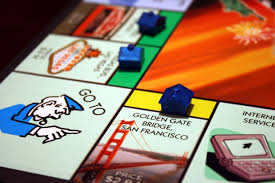
Old school tools: A game of Monopoly can last for hours with lessons about saving, spending and investing. Over that board game, my kids have become savvy about the value of budgets and delayed gratification. It's not just about paper money or color-coded blocks of real estate.

Tuesday, August 25, 2009

How To Get Free E-Books


During a recent bus ride, Jessica Goldstein, a fellow passenger, was staring into her cell phone. But she was not sending out text messages or checking e-mail. Classic literature had bookmarked her attention.

Goldstein, a technical writer, uses her cell phone as an electronic book gadget. She downloads free books through Project Gutenberg, www.gutenberg.org, a nonprofit organization that enables readers to download free electronic copies of books onto desktop computers, smart phones or palm organizers.

"It's like going to the library on a bus," Goldstein told me as she read "Thus Spoke Zarathustra" by Friedrich Nietzche.

Project Gutenberg has a catalog of about 30,000 titles that are available for free. Additionally, the site has affiliate relationships with other sites that offer access to 100,000 free books.

Here are other resources for readers seeking free electronic books to read at home or on the road.

- Barnes & Noble. The company offers a free application that works on smart phones and desktop computers. The app can be downloaded at www.bn.com/ebooks and provides access to free e-books.

- DailyLit (www.dailylit.com) is a service launched by a former Random House editor and a social media guru. Classic titles, such as "Moby Dick," "Pride and Prejudice" and "The Prince and the Pauper" are delivered by plain text e-mails to your computer, cell phone or other handheld devices. Each e-mail has an installment of the book and you pick the frequency of the e-mails. The service also includes a fee-based subscription for new titles, but books in the public domain are free and there are lots of them, including many titles on school reading lists.

Monday, August 24, 2009

Money-Saving Driving Tips for Labor Day Weekend

If a road trip is on your map for the Labor Day Weekend, consider these frugal, fuel-efficient driving tips from the Drive Smarter Challenge video contest:

"Decrease your speed. Gas mileage usually decreases rapidly above 60 mph. Each five miles per hour over 60 mph is like paying an additional 20 cents or more per gallon for gas.


Drive sensibly. Speeding, rapid acceleration (jackrabbit starts), and rapid braking can lower gas mileage by 33% at highway speeds.


Use cruise control and overdrive gear. Cruise control cuts fuel consumption by maintaining a steady speed during highway driving. Overdrive gear, when appropriate, reduces engine speed, saves gas, and reduces engine wear.


It’s a “drag.” Avoid carrying items on your vehicle’s roof. A loaded roof rack or carrier increases weight and aerodynamic drag, which can cut mileage by 5%. Place items inside the trunk when possible to improve fuel economy.


Turn down the AC. Operating the air conditioner on "max" can reduce mpg by 5-25% compared to not using it.


Avoid idling, which gets 0 mpg. Cars with larger engines typically waste even more gas while idling than cars with smaller engines.


Fill up before returning rental. Rental car companies charge higher gas prices if you don't fill up the tank before returning the vehicle."


Related Post:
Win $5,000 With Frugal Road Tips: A Video Contest

Friday, August 21, 2009

Win $5,000 With Frugal Road Tips: A Video Contest

Want to win $5,000 with your video camera? This announcement offers energy-saving driving tips and a chance to win money and other prizes.


"It's the dog days of August, one of the heaviest time frames for road trips – what with travel to universities across the country combined with the "last hurrah" of summer vacations leading into the Labor Day holiday weekend.

As you capture those road trips for posterity on your camcorder, consider turning them into a fun, two-minute video that can garner extensive exposure on the web and win a $5000 grand prize, VIP NASCAR and Indy race packages, new tires, gift cards, car care guides, and more in the Drive Smarter Challenge video contest -- http://drivesmarterchallenge.org/contest.


The online video contest is a new feature of the award-winning Drive $marter Challenge fuel-efficiency campaign sponsored by the Alliance to Save Energy and 16 other diverse nonprofit, governmental, trade association and for-profit partners.


The contest runs through September 20.


Contest Details


To enter, submit a two-minute (or less) video that illustrates one or more of the Drive Smarter Challenge gas- and money-saving driving and vehicle maintenance tips, including those featured below:


Planning your road trip:


  • Get a customized map with low gas prices along the route. Getting lost while driving in unfamiliar areas could lead to an expensive waste of gas. Print a customized vacation map that highlights low-cost gas stations along your route using campaign website resources. Or navigate with a GPS system.

  • Choose the right vehicle. If your family has more than one vehicle, drive the car that gets better gas mileage if possible.

  • Watch the clock! When possible, drive during off-peak hours to reduce gas costs and stress by avoiding stop-and-go or bumper-to-bumper traffic conditions.

  • Check out other travel options. Consider trains, buses, or public transportation to your destination when possible. Explore new ways to get around at your destination. Find information on biking, public transportation routes, car sharing, walking, and renting hybrid or fuel-efficient vehicles on the Drive $marter Challenge website resources page.

Before you leave: maintenance tips


  • Inflate your tires. Keeping your tires properly inflated improves gas mileage by around 3%.

  • Select the right oil. Using the manufacturer’s recommended grade of motor oil improves gas mileage by 1 to 2%. Motor oil that says “Energy Conserving” on the API performance symbol contains friction-reducing additives. Change your oil as recommended to extend the life of your vehicle.

  • Tune up. Fixing a car that is noticeably out of tune or has failed an emissions test can improve its gas mileage by an average of 4%."


Coming next: Saving money on the road.

Tuesday, August 18, 2009

Sales Clerk Offers Inside View: 'We're Supposed to Befriend Kids'

Do some sales clerks try to pal around with tween shoppers in an effort to get the kids to spend more money? Yes, says one reader, a sales clerk, who offers a great reply to the post: Telling My Daughter the Truth about Her New 'Friend,' The Salesclerk!

Here's one sales clerk's story:

I was hired about a month or so ago at a 'tween clothing store, and I've come to find it not so much my cup of tea. We're supposed to make "friends" with the girl and adult, or the girl[s], and try to sell them as much stuff as we can, by talking to them, or even looking at what they have, and bringing more stuff that matches/accessorizes/looks similar, and show it to them and so on.

I find it uncomfortable, personally, because while I love kids, and enjoy talking to the few people who are very friendly, I'm only supposed to be friendly enough to make the sale and make more sales while doing it, and that in itself makes me feel fake, seeing as we're supposed to make the store feel like a second home to the girls, but yet simply see them as consumers and a goal of how much money we can get them to spend?

I personally would get quite irritated with a sales person bringing me loads of stuff, and always have been that way, so I have a hard time seeing how so many people could like someone following them & constantly foisting things on them.

Just my rambling thoughts after an exhausting day at work.

-- written by MVanity


Thanks to MVanity for providing such a thoughtful comment. (@ MVanity: You make great points, and I appreciate your insider's view. Thanks for taking the time to write!)

As a shopper, I'm in the same bag as MVanity. I also get annoyed when I'm tracked through a store. But my pre-teen daughter can be flattered by the attention.

Friday, August 14, 2009

Guest Post: Consumers Union: Beware of Prepaid Card Pitfalls

Consumers Union, publisher of Consumer Reports, offers this guest post on the dangers of prepaid cards:

"While prepaid cards are becoming an increasingly popular alternative to check cashers and traditional bank accounts, a new Consumers Union report finds that the cards come with high fees and don’t offer consumers the same kinds of protections as other forms of plastic payment.

Prepaid cards are reloadable cards that can be used to make payments similar to debit cards and are becoming the foundation of a second tier banking system used by a growing number of low income consumers.

Here's a link to the full report about prepaid cards.

“Consumers using prepaid cards end up paying a mountain of costly fees that can add up quickly and undermine their finances,” said Michelle Jun, staff attorney for Consumers Union. “Prepaid cards are being marketed aggressively, so it’s important for consumers to understand the hidden costs and how these cards might leave them vulnerable if lost or stolen.”
Prepaid cards are a growing business and usually bear a network logo such as Visa or MasterCard and often have the word “debit” printed prominently on the front of the cards. The Federal Reserve estimated that 312 million transactions were made with pre-paid cards in 2006 for a total value of $13.3 billion.

Consumers Union reviewed the terms and conditions of 18 different prepaid cards and found that consumers face multiple fees and other costly “gotchas’:

Activation Fees: 17 of the 18 pre-paid card issuers reviewed charged consumers a fee for activating their cards. These activation fees ranged from a low of $3 for the Walmart Money Card to a whopping $99.95 to apply for and initiate the Millenium Advantage card.

Monthly Fee: 15 of the 18 pre-paid card issuers charged monthly fees ranging from $2.95 per month for the FinanSe card to $10 per month for the Rush Card. Most pre-paid card issuers will waive the monthly fee if a direct deposit is set up. Some card issuers will waive the monthly fee if the consumer chooses the “pay as you go” option.

Fees to Get Cash: All 18 card issuers reviewed charged fees for withdrawing cash from ATMs in the U.S. On the low end, the FinanSe, SVC Revel, and Espree cards charge $1.50 per withdrawal. The NetSpend Visa card charged the highest fee – up to $2.50 for each withdrawal. Charges are usually even higher for international withdrawals.

Balance Inquiry and Statement Fees: 17 of the 18 card issuers charged fees for checking balances at ATMs, ranging from 50 cents to $1. This does not include any additional fee charged by the ATM owner.

Customer Service: Most pre-paid card issuers provide free customer service, but consumers using the Millenium Advantage card will be charged $1 per minute when they call customer service, while users of the Espree card will pay $3 for each customer service call. Some pre-paid card issuers charge customer service fees after a limited number of free calls.

Fees for Inactivity: Eight of the 18 card issuers charged fees when cards are not used after a certain period of time. These dormancy fees range from $1.95 per month for the Rush Card (after 90 days of inactivity) to $9.95 per month for the Exact card.

Overdraft Fees: A number of prepaid card issuers claim that they do not charge fees when users spend more than the available amount on their cards. However, Consumers Union found that 10 of the 18 cards it reviewed included overdraft or “shortage” fees. These range from $24.90 charged by Espree for overdrafts to $29 charged by Eufora and AccountNow.

Routine use of prepaid cards can result in significant costs for consumers as all these fees add up. For example, Consumers Union found that a consumer using the Rush Card’s pay as you go program who made three ATM withdrawals, three bill payments, eight point of sale purchases and two deposits would be charged $43.75 for the first month in fees.

Less Protection
When prepaid cards are lost or stolen and used by others to make fraudulent transactions, consumers are not protected by the same regulatory and statutory safeguards that enable other debit card users to recover their money. If a consumer contacts a card issuer about a lost or stolen debit card within two business days, the consumer’s liability is limited to up to $50 (or up to $500 if the consumer reports the debit card lost or stolen after two business days). By contrast, prepaid cards may only have voluntary protections that could be revised or rescinded at any time for any reason.

Credit Building
Some prepaid cards claim to provide consumers a way to build a credit record or include a credit line feature. However, Consumers Union found that the prepaid card issuers may report “credit building” activity to an alternative, less used credit reporting agency or may report only the payment of the card’s high monthly fees. The credit line feature may provide credit which is as expensive as costly overdraft loans and payday loans.

Security
Finally, consumers with traditional bank accounts have peace of mind that their money will not be lost as long as their bank is FDIC insured. But consumers who use prepaid cards have no guarantee that they will be able to recover all their money in the event of a bank failure because the funds may not be insured by the FDIC. "
--Source: Consumers Union

Thursday, August 13, 2009

Thrifty Reader Seeks Help: Spoiled Kids & Too Many Yard Sales!

What do you tell a thrifty mom who thinks her kids are spoiled? That scenario recently landed in my e-mail box. Here's the note:

Hi, I am concerned because I finally realized how spoiled my kids are. I've been buying them whatever they liked, although it's from thrift stores and yard sales. Because it's so cheap, I get them more than five things.

I find my 8-year-old son being un-appreciative, unresponsible and rude, and I think this could be why. Now the house is full of toys, and I don't know where to start. How to unspoil? I am overwhelmed. Do you know what I should read? How do I start, please?


Please chime in with tips, links and resources. Thanks!