BTW, I am now researching a nonfiction book about Athletes and Mental Health. Watch this space for more details. Thanks, Sharon
_____________ Here's how to buy my book:

@ Amazon.com @ Barnes & Noble @ Borders @ Target.com
 Small changes have reduced electrical charges in my home. On a year-over-year basis, we have used 20 percent less electricity due to two minor adjustments. We have switched most of the light bulbs to compact florescent bulbs (CFLs), an energy-saving option. Additionally, during the day and vacations, we turn off the water heater, a move that generates cool savings.
 Currency exchange is a thrifty tool in my home. To save money, my 11-year-old daughter has swapped five single dollars for a five-dollar-bill and has traded up for even larger denominations. She uses the larger bills to preserve capital.
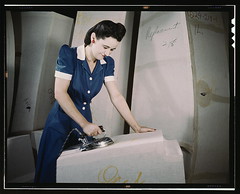 We can iron out past wrinkles in money, relationships and clothing. That's what I learned as I ironed clothing for Rosh HaShannah, the New Year on the Hebrew calendar.
 Yup. I could have saved more and spent less in August. As promised, I paid careful attention to my spending, saving and consuming habits in August. We all have money leaks. Here are my downfalls & solutions:
 If you had a choice between saving an extra $50 a week or gaining an extra hour daily, what would you do? I vote for the extra hour, (seven hours a week). But more money beat out diet, time and sex, according to this recent survey from allyou.com/Shortcuts.com. Here is a snippet from the full survey results:
 It's possible to spend less for drinks at bars, restaurants and resorts. Here's my list of do-it-mostly-yourself drink recipes.
 My daughter fixed her ferret with a foot of fishing string. As such, our story about a defective toy has a happy ending. Our quick repair taught us valuable lessons. Here's what we have learned:
 The school year is new, but early grades for brown bag lunches have not been promising in my home. For example, servings of leftover lasagna recently failed the lunchroom test. The pasta tasted great, but looked unappealing in a small sandwich bag, the kids said.
 I am trying to fly home to South Florida from Pittsburgh. My flight is delayed due to weather in Atlanta, where I have a connecting flight. But Pittsburgh International Airport has free Wi-Fi, which is making this long delay productive.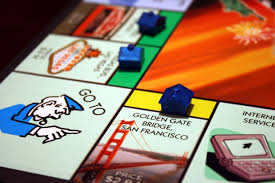
Child labor and allowances: My school-age children get a boost when they earn money from household chores, baby-sitting or lemonade stands, and it's not just about the cash. Earning and managing a few dollars improves their common sense and self-esteem. Such lessons can begin with toddlers, with small chores and rewards.
Shopping trips: Going to the grocery store with children typically leads to higher food bills. But the short-term detour around sugar cereals and other treats can create long-lasting "teachable moments" about unit-pricing, marketing gimmicks and nutrition.
New age tools: The Internet has a wealth of finance games for kids. My daughter, for example, has spent hours at http://www.webkinz.com/ and http://www.neopets.com/, which offer imaginary financial systems in which children earn salaries, build homes and make virtual purchases. The money is not real, but the lessons are valuable. Other sites include: http://www.thegreatpiggybankadventure.com/ and www.ustreas.gov/kids/ (from the Treasury Department).
Old school tools: A game of Monopoly can last for hours with lessons about saving, spending and investing. Over that board game, my kids have become savvy about the value of budgets and delayed gratification. It's not just about paper money or color-coded blocks of real estate.
 If a road trip is on your map for the Labor Day Weekend, consider these frugal, fuel-efficient driving tips from the Drive Smarter Challenge video contest:
Related Post:
Win $5,000 With Frugal Road Tips: A Video Contest
 Want to win $5,000 with your video camera? This announcement offers energy-saving driving tips and a chance to win money and other prizes.
Before you leave: maintenance tips
Coming next: Saving money on the road.
I was hired about a month or so ago at a 'tween clothing store, and I've come to find it not so much my cup of tea. We're supposed to make "friends" with the girl and adult, or the girl[s], and try to sell them as much stuff as we can, by talking to them, or even looking at what they have, and bringing more stuff that matches/accessorizes/looks similar, and show it to them and so on.
I find it uncomfortable, personally, because while I love kids, and enjoy talking to the few people who are very friendly, I'm only supposed to be friendly enough to make the sale and make more sales while doing it, and that in itself makes me feel fake, seeing as we're supposed to make the store feel like a second home to the girls, but yet simply see them as consumers and a goal of how much money we can get them to spend?
I personally would get quite irritated with a sales person bringing me loads of stuff, and always have been that way, so I have a hard time seeing how so many people could like someone following them & constantly foisting things on them.
Just my rambling thoughts after an exhausting day at work.
-- written by MVanity
As a shopper, I'm in the same bag as MVanity. I also get annoyed when I'm tracked through a store. But my pre-teen daughter can be flattered by the attention.


